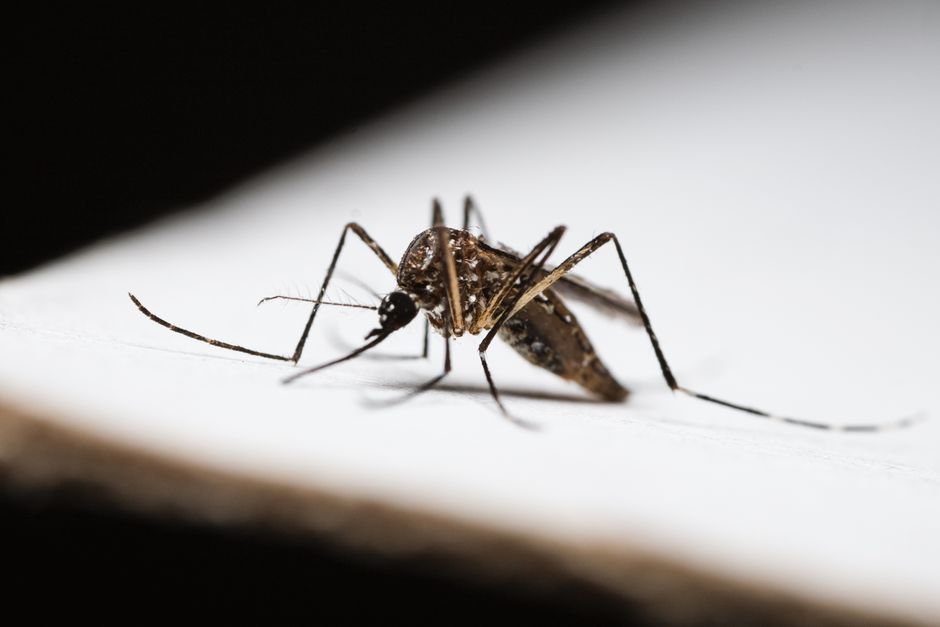
Malaria Parasite's Dependence on Linoleic Acid Fats Unveils New Drug Target
A study from NYU Abu Dhabi reveals that the malaria parasite's reliance on linoleic acid fats presents a new vulnerability that could inform future treatment strategies.
Researchers at NYU Abu Dhabi have made a significant discovery regarding the malaria parasite's survival mechanisms. They found that the parasite selectively consumes linoleic acid fats, which are crucial for its growth and multiplication within human hosts.
This finding highlights a previously unknown vulnerability of the malaria parasite, suggesting that targeting its fat consumption could lead to innovative treatment approaches.
The implications of this research could be far-reaching, potentially guiding the development of new drugs aimed at disrupting the parasite's reliance on these specific fats.