
Voyager 1: The Engine-less Journey Through Space
Voyager 1, launched in 1977, continues to travel through space at 38,000 miles per hour without an active engine, relying on momentum from past planetary encounters.
Editorial Staff Jul 18
Latest Space News stories from Science.
Voyager 1, launched in 1977, continues to travel through space at 38,000 miles per hour without an active engine, relying on momentum from past planetary encounters.
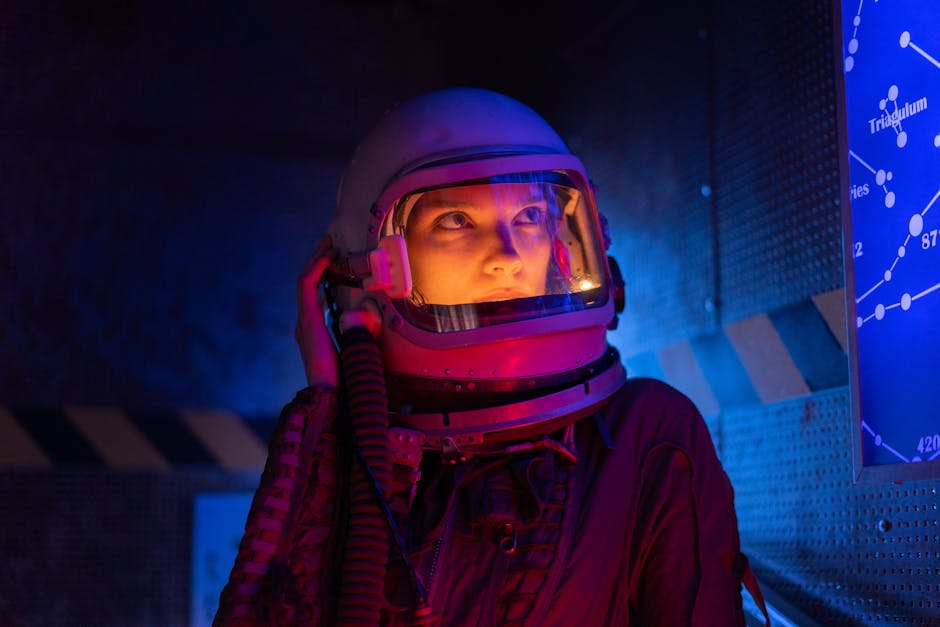
In 1984, Soviet cardiologist Oleg Atkov made history aboard Salyut 7 by capturing the first real-time ultrasound images of a human heart in microgravity.

In a shocking incident in 1848, Phineas Gage, a railway foreman, survived a severe brain injury when a three-foot-seven iron bar pierced his skull, leading to significant insights in neuroscience.

A surprising discovery reveals that the most common type of planet in the galaxy, larger than Earth but smaller than Neptune, is absent from our solar system.

During a particularly challenging week, I found solace in six minutes of birdsong, which surprisingly eased my emotional burden.
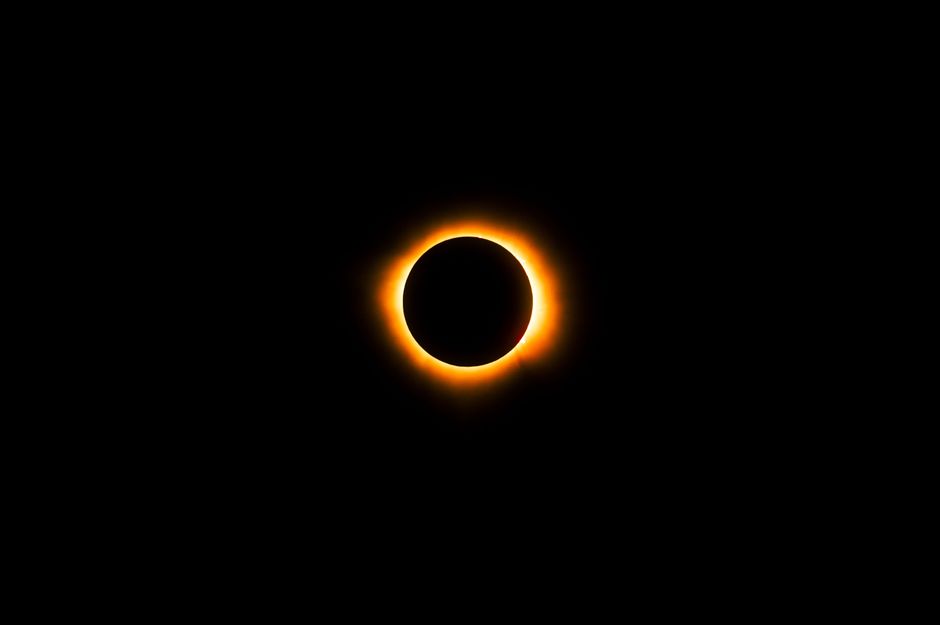
A recent study highlights the potential for extreme solar storms to have devastating effects on Earth's satellites, power grids, and communication systems, urging a reevaluation of their risks.

NASA astronauts and the European Service Module team convene to prepare for the Artemis II mission, highlighting international collaboration in space exploration.

The handshake has a rich history as a symbol of trust and safety, dating back thousands of years. This gesture, originating as a sign of an empty hand, continues to convey goodwill across cultures.

In March 1966, Neil Armstrong achieved a significant milestone in space exploration by completing the first docking in space during the Gemini 8 mission. However, a malfunction posed a serious threat to the crew's safety.
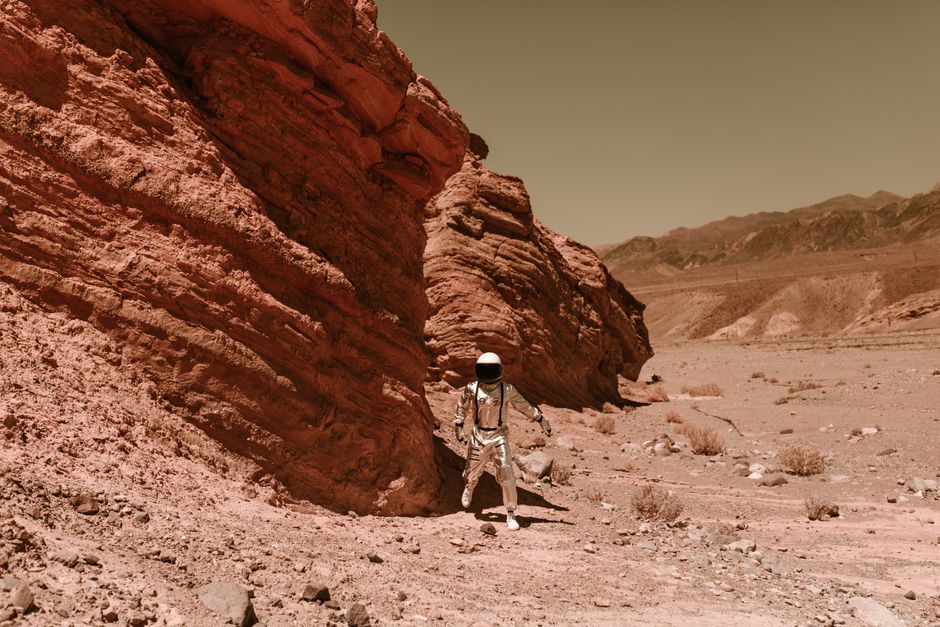
On March 31, 2025, four rookie astronauts aboard SpaceX's Fram2 mission made history by conducting the first diagnostic radiographs in space using a portable X-ray machine.

SpaceX is set to launch its Starship Flight 13 today, a pivotal test mission that will deploy the new 'V3' Starlink satellites into orbit for the first time.

Sidney Jourard's concept of the disclosure paradox reveals why those who excel at listening often feel unknown, despite being well-liked. This article explores the emotional disconnect.

A new dataset reveals that the cost of sending a kilogram into orbit could plummet to $273 by 2040, according to a study led by Alessio Terzi.

Research shows that individuals who spend money on others report higher levels of happiness compared to those who spend on themselves. This trend is consistent across 136 countries.

A young bull elephant's journey across four countries highlights the impact of human borders on wildlife migration. Fitted with a GPS collar, Z16's travels provide crucial insights into elephant behavior.

In November 1957, Laika, a stray dog from Moscow, was launched into space aboard Sputnik 2. Her mission marked a significant milestone in space exploration, though it ended tragically.

In 1960, Jane Goodall embarked on a revolutionary study of wild chimpanzees in Gombe, revealing their ability to use tools and reshaping our understanding of animal behavior.

Learn how to find the northern pole stars, Polaris and Thuban, by using the Big Dipper as your guide this July.

SpaceX is preparing for the launch of its Starship Flight 13 on July 16, 2026, which will carry the first V3 Starlink satellites. Here’s the full mission timeline.
Each year in mid-November, South Korea halts all commercial flights and adjusts various public services to accommodate the Suneung exam, ensuring students can focus on their studies.